Advisory Excellence
  • Home
  • Find an Advisor
  • Annual Awards
    • Nominations
    • Annual 2025 Awards
    • Previous Winners
  • News
  • Apply
  • About
    • Services
  • Contact
  • Click to open the search input field Click to open the search input field Search
  • Menu Menu
  • Link to LinkedIn
  • Link to Pinterest
  • Link to Youtube
  • Link to Instagram
  • Link to X
  • Link to Facebook
  • Link to Reddit
  • Link to Soundcloud
  • Link to Vk

Archive for category: Hospitality

Operational Excellence in Hospitality: Tactics from the Experts

July 22, 2025/in Hospitality/by Advisory Excellence

Operational excellence in hospitality doesn’t happen by accident. It’s engineered, layer by layer, through systems, alignment, and daily discipline. While design, guest experience, and service philosophy get a lot of the spotlight, operational precision is what holds the entire performance together. If the back of the house is slipping, the guest eventually feels it at the front.

The most respected hospitality leaders pursue consistency. Their hotels work like ecosystems. Operational excellence, in this sense, isn’t a department. It’s a way of thinking and executing that penetrates everything from vendor contracts to housekeeping checklists.

Let’s explore tactics that leading operators implement.

Break the Cycle of Legacy Thinking

Legacy thinking is often a quiet saboteur in hotel operations. Too many workflows, approval chains, and budget cycles continue unchallenged simply because “they’ve always been that way.” Operationally excellent properties don’t accept this inertia. They challenge processes continuously, without the drama of a reinvention campaign.

This means fostering a culture where any process is on the table for review. For example, does your inventory cycle still reflect seasonal demand, or is it based on supplier schedules from five years ago? Does your shift scheduling match traffic flows, or are you locked into a 7-to-3 rhythm simply because it’s familiar?

Operational efficiency often hides in plain sight, and it only emerges when legacy decisions are examined without reverence.

Systematize, Then Personalize

It’s tempting to overpersonalize service in the name of hospitality, but doing so without a structured base is risky. Systematization should always precede personalization.

Create tight, repeatable systems around the fundamentals: room readiness, check-in protocols, service recovery, task delegation, and F&B turnaround times. These processes should function predictably without supervision. Only then does personalization become a value-add rather than a gamble.

A front desk agent with no structure may try to ‘delight’ a guest and cause a 10-minute delay for everyone else. But a well-trained agent with a reliable script and efficient tools can personalize without compromise. Efficiency doesn’t conflict with hospitality—it enables it.

Stop Measuring Outputs. Start Measuring Friction.

KPIs have their place, but high-performing operators have started to think in terms of friction points, not just outputs. A full hotel with overworked staff and delayed services is not an excellent operation—it’s a strained one.

Friction is found in the space between systems: between engineering and front desk, between housekeeping and room service, between reservations and reality. It’s in the callbacks, the manual workarounds, the notes taped to monitors.

One of the most valuable things GMs can do is spend a day tracking handoffs instead of outcomes. Where is time lost? Where are decisions being escalated that shouldn’t be? Operational excellence means reducing friction until the only remaining variable is performance.

Incentivise Solutions, Not Role Fulfilment

Hotels are still rife with role-based assumptions. The engineer does this. The front office handles that. The guest relations team owns this piece. But when teams are incentivized around their role only, they guard turf instead of solving problems.

Excellence emerges when staff are empowered—and rewarded—for solving problems that cross departments. A housekeeper who solves a recurring room maintenance issue should be celebrated, not just for doing their job but for stepping beyond its edges.

Incentive structures that only recognize role fulfilment create islands. Shift the culture so that solving for the system is seen as the greater win.

Make Numbers Part of Everyday Conversation

When teams talk through their shifts, embed Hotel Metrics in the dialogue rather than waiting for a weekly report. A server might observe, “Table turnover averaged forty‑two minutes today,” instead of saying service felt slow; a front‑desk agent might note that upgrade uptake rose two percent after noon. When numbers frame the discussion, performance gaps become visible in real time, and staff can course‑correct without waiting for top‑down reviews.

Automate What Doesn’t Require Judgment

Operational excellence is not about removing people; it’s about reserving people for what only they can do. Every manual task that doesn’t require judgment—manual checklists, repetitive scheduling, inventory count entry—should be examined for automation.

This isn’t just about efficiency. It’s about removing cognitive clutter from your team. When you automate the repeatable, you liberate attention for exceptions, challenges, and service artistry.

A well-run hotel isn’t one where people are busy—it’s one where people are clear.

Introduce Operational Drills

Just as airlines run safety drills, hospitality teams should run operational drills. What happens if 15 late check-ins arrive at once? If the hot water cuts out in a wing? If an online OTA glitch overbooks the hotel?

The goal of a drill is to surface failure points without costing the business. And when done well, it trains responsiveness as a muscle, not a panic reflex.

Drills help surface protocol flaws that look fine on paper but collapse in motion. They make staff more adaptable, more collaborative, and far more prepared.

Operationalise Guest Feedback Without Flattening It

Guest feedback, especially when collected en masse, tends to get compressed into scores. But scores are not instructions. A 3.9 rating on service doesn’t tell you whether check-in speed or tone of voice was the issue.

The most effective operators break down feedback into patterns and operational themes. Then they run those themes through their systems. For example, if “staff friendliness” keeps surfacing, they don’t send everyone to a smile workshop—they audit recruitment, training, and scheduling to find the real issue.

Operational excellence doesn’t reduce feedback to praise or blame. It treats it as intelligence to be filtered and acted upon.

Make Maintenance a Frontline Strategy

Too often, maintenance is treated as background support. But high-functioning hotels treat it as a frontline strategy. They know that everything from brand integrity to staff efficiency is rooted in the physical environment.

Operationally excellent teams assign preventive maintenance tasks based on impact, not just schedule. They tie engineering priorities to occupancy forecasts and departmental dependencies.

If a loose tile in the entryway is causing detours for bell staff, it’s not cosmetic—it’s operational. Maintenance isn’t behind the scenes. It’s part of the performance.

Build for Day-Two Operators, Not Just Day-One Guests

Much of the hospitality industry is geared toward the guest’s first impression. But operational excellence considers the second, third, and tenth days not just for the guest, but for the operators.

When SOPs are created, are they readable to a new night auditor who’s two days into the role? When new software is rolled out, does the system support day-two usage or just look impressive during the demo?

Guest experience is crucial, but staff experience is foundational. No guest has a great stay when the people supporting it are frustrated by their tools.

Build systems that perform even when you’re not in the room. Operational excellence in hospitality is something you refine. The hotels that achieve it are running cleaner. Their gears don’t grind. Their teams don’t guess. And their guests, while they may not know the specifics, feel the difference in every corner of the experience. The work is daily. The results are cumulative. The edge is real.

Hiring for Hospitality: Key Qualities to Look for in Hotel Staff

September 25, 2024/in Hospitality/by News Desk

The hospitality industry thrives on customer satisfaction, and hotels play a pivotal role in shaping that experience. To maintain an impeccable reputation, hotels must prioritize hiring staff who are not only skilled but also possess the right personal qualities. A hotel’s success is significantly influenced by the employees who interact with guests on a daily basis. Whether it’s a front desk manager or a housekeeper, the attitude, skills, and behaviors of the hotel staff can either elevate or diminish the guest experience. Therefore, when hiring for a hotel, it’s essential to focus on certain key qualities that will ensure high standards of service and a seamless guest experience.

1. Communication Skills

Strong communication skills are vital in the hospitality industry. Hotel staff must be able to effectively interact with guests, management, and their peers. From checking in guests at the front desk to handling room service requests, clear and concise communication ensures that tasks are performed efficiently. Staff should be able to listen actively to understand guest needs and provide solutions accordingly.

Miscommunication can lead to dissatisfaction and can easily turn a positive experience into a negative one. Employees who can express themselves clearly and who are also good listeners can address concerns before they escalate. Furthermore, hotel staff need to communicate in a way that makes guests feel valued and respected. Non-verbal cues, such as body language, also play a role. For instance, maintaining eye contact, smiling, and having an open posture can create a welcoming atmosphere for guests. This demonstrates that the staff member is engaged and ready to assist.

2. Problem-Solving Ability

In any hotel environment, unforeseen challenges are bound to arise. Whether it’s a misplaced reservation, a guest who is unsatisfied with their room, or technical difficulties, hotel staff must be quick thinkers. Problem-solving is one of the most critical qualities for hotel employees, as it allows them to handle issues calmly and professionally. The goal is to provide swift solutions while ensuring minimal disruption to the guest’s experience.

Hotel staff who are skilled problem-solvers don’t simply react to issues; they proactively think about the best course of action. For example, if a guest complains about noise in their room, an adept staff member will not only apologize but also offer an upgraded room in a quieter part of the hotel. Quick and effective resolutions to problems often turn potentially negative situations into opportunities to create loyal customers.

3. Attention to Detail

In the hospitality industry, small details can have a large impact on the guest experience. Hotel staff must possess a keen eye for detail to ensure that everything from a guest’s room to the lobby area is pristine. Attention to detail is especially important for housekeeping staff, who need to ensure rooms are impeccably clean and well-organized. However, every member of the hotel staff plays a role in maintaining high standards.

For example, a front desk employee may need to ensure that a guest’s special requests, such as extra pillows or room preferences, are properly communicated to the housekeeping team. Overlooking such details can result in guest dissatisfaction. Whether it’s ensuring that room amenities are well-stocked or making sure that meeting spaces are set up as required, paying attention to the little things can greatly influence a guest’s perception of a hotel.

4. Flexibility and Adaptability

The hospitality industry is fast-paced and ever-changing. Hotels experience fluctuations in occupancy, guest preferences, and unexpected issues. Therefore, it is crucial to hire staff who are flexible and adaptable. Employees must be prepared to adjust their schedules, take on new roles, or assist in areas outside their usual duties, especially during peak seasons or when there is a shortage of staff.

For instance, a concierge may be called upon to assist at the front desk during a rush, or a housekeeper may need to help with laundry if the team is short-handed. The ability to switch gears and handle multiple responsibilities is invaluable in a hotel environment. Moreover, adaptability extends to accommodating the diverse needs of guests. A staff member must be able to adjust their approach depending on the type of guest they are serving—be it a family, a business traveler, or an international visitor. Hotels that work with hospitality staffing solutions often seek employees who are not only flexible with their roles but also quick to adapt to different hotel environments. These staffing solutions emphasize the importance of hiring individuals who can integrate seamlessly into a hotel’s unique culture and operational demands.

5. Teamwork and Collaboration

A hotel operates smoothly when all departments work together cohesively. From the front desk to the housekeeping and food services, every department plays an integral role in ensuring that the guest experience is positive. Therefore, it’s essential to hire staff who excel at teamwork and are willing to collaborate across different departments.

For example, the housekeeping team must coordinate with the front desk to ensure that rooms are ready for check-in at the designated times. Similarly, the restaurant team may need to work with event coordinators to cater to large functions. When employees understand that they are part of a bigger team working toward the same goal—guest satisfaction—the hotel is more likely to run efficiently.

6. Positive Attitude and Enthusiasm

Hospitality is about creating positive and memorable experiences, and a large part of that comes from the attitude of the staff. Hotel employees should exude enthusiasm and a positive attitude, as this sets the tone for the guest experience. Guests who feel welcomed by a cheerful and approachable staff are more likely to enjoy their stay and leave with a favorable impression of the hotel.

Enthusiastic employees are often more motivated and go the extra mile for guests. Whether it’s offering a warm greeting upon arrival or making thoughtful recommendations about local attractions, staff who display genuine enthusiasm make a hotel stand out. A positive attitude also helps in dealing with difficult situations. For example, a front desk agent with a friendly demeanor is more likely to calm an upset guest than one who approaches the situation with indifference.

7. Multitasking Abilities

Hotel environments can be busy, especially during high-occupancy periods or special events. As a result, hotel staff are frequently required to juggle multiple tasks at once. Whether it’s answering phone calls, managing guest check-ins, or resolving maintenance issues, the ability to multitask is essential in the fast-paced hospitality environment.

Employees who can handle multiple responsibilities without compromising the quality of their work help ensure that operations run smoothly. For example, a front desk agent may need to check in guests while also answering inquiries from future guests over the phone. Similarly, housekeeping staff might need to clean rooms while attending to requests for additional amenities from other guests.

8. Cultural Awareness and Sensitivity

The hospitality industry is international by nature, with guests arriving from all corners of the globe. Therefore, cultural awareness and sensitivity are crucial qualities for hotel staff. Employees who are knowledgeable about different customs and respectful of diverse cultural backgrounds can offer better service to international guests.

For example, understanding dietary restrictions or being aware of cultural preferences for greetings and interaction can help hotel staff make guests feel more comfortable. In some cultures, a handshake may be an appropriate greeting, while in others, a bow or verbal greeting might be preferred. Staff who are attuned to these nuances can avoid unintentionally offending guests and instead create a more inclusive environment. Cultural sensitivity also extends to being mindful of language barriers. While it’s not always possible to speak every language, showing patience and making an effort to understand the guest can go a long way. Hotels should prioritize hiring individuals who are open-minded, empathetic, and culturally aware to provide the best possible experience for their diverse clientele.

9. Reliability and Integrity

In a hotel, reliability, and integrity are indispensable qualities. Hotel staff must be dependable and trustworthy, as they are often responsible for sensitive areas such as guest privacy, property, and security. Front desk employees handle personal information, while housekeeping staff may be entrusted with guests’ valuables left in their rooms. Staff members must demonstrate high ethical standards and an unwavering commitment to doing the right thing, even when no one is watching.

Being reliable also means consistently showing up on time and being ready to perform duties efficiently. In a busy hotel environment, the absence or tardiness of one employee can cause a ripple effect, leading to delays in service and negatively impacting guest satisfaction. Integrity builds trust—not just with guests, but also within the team. When hotel staff know they can rely on each other, it fosters a cooperative and supportive work environment.

The hospitality industry depends heavily on the quality of its staff to create exceptional guest experiences. Hotels that invest in hiring employees with strong communication skills, problem-solving abilities, attention to detail, flexibility, and a positive attitude will position themselves for success. Moreover, cultural awareness, teamwork, reliability, and multitasking abilities further enhance the overall service quality that guests expect. By focusing on these key qualities when hiring, hotels can build a team that not only meets but exceeds guest expectations, ensuring long-term success and a stellar reputation in the competitive hospitality industry.


Transforming Guest Experiences: How Digital Signage is Revolutionizing the Hospitality Industry

August 28, 2024/in Hospitality/by News Desk

Hotels and resorts are adopting modern solutions to enhance guest experiences.

One such technology making waves is digital signage. This smart innovation improves guest interactions, offering them a clear, informative, and engaging experience throughout their stay.

Unlike traditional methods, hotel digital signage offers numerous advantages. It can be used for various purposes, from sharing important information to entertaining guests.

Let’s look at three key ways digital signage is transforming the hospitality industry:

  • improving guest communication,
  • personalizing experiences,
  • and increasing operational efficiency.

Enhancing Guest Communication: Clarity and Convenience

Source

In the hospitality industry, good communication can mean the difference between an okay stay and a fantastic one.

Immediate Updates

Quickly sharing information about changes, like event schedules, restaurant hours, or emergency notices, is critical in hotels. Digital screens replace old paper notices and bulletin boards, which are often missed or outdated.

For example, if the weather changes suddenly and affects outdoor activities, hotels can instantly update all digital screens. This ensures guests get timely, accurate information without any hassle.

Another benefit is breaking down language barriers. International guests sometimes struggle to understand announcements or instructions. Digital signage can show messages in multiple languages, making sure everyone understands important information. This feature also boosts safety during emergencies.

Engaging Content

Digital signs aren’t just for static messages; they can include multimedia elements like videos, animations, and music. This lets hotels create eye-catching content that grabs guests’ attention.

Imagine walking into a lobby where bright screens show stunning local attractions or cultural events. These visuals can encourage guests to explore nearby sights, making their trip more enjoyable.

Digital signs can also be interactive. Touchscreen interfaces let guests find information themselves—whether they’re looking for local dining options or more info about hotel amenities.

Engaging content keeps guests both informed and entertained, making their stay memorable.

Personalizing Guest Experiences: Tailor-Made Stays

Source

Creating memorable guest experiences is crucial for building lasting relationships in the hospitality industry. Here’s how digital signage can help:

Customized Welcome Messages

First impressions are important, especially in hotels. Digital signage offers a great way to greet guests personally.

When guests arrive, they can see personalized welcome messages on screens by the reception desk or even in their rooms. This small touch makes guests feel special right from the start.

These messages aren’t just for general greetings. Hotels can also use data to celebrate special events like birthdays or anniversaries. Such thoughtful gestures make guests feel valued and can encourage them to return.

Service Recommendations

Guests have different preferences—some might look for wellness options while others want adventure activities. Digital signage with smart algorithms can suggest services based on each guest’s needs.

By analyzing guest data (in line with privacy rules), these smart systems can show personalized suggestions on screens around the hotel.

For instance, a guest who often eats at fancy restaurants might see recommendations for the hotel’s gourmet dining options or nearby high-end eateries on their room’s screen.

Similarly, a family could see notices about kid-friendly activities and facilities within the hotel. These targeted suggestions make guests feel understood and catered to, boosting their overall satisfaction.

Boosting Operational Efficiency: Streamline Hotel Management

Using digital signage in hotels isn’t just about making guests happy; it’s also a smart way to make operations smoother and cut costs.

Reducing Costs

Printing flyers, posters, maps, and menus costs money and time. You need materials, design effort, and distribution. These costs add up quickly, especially in large hotels where information changes often.

Digital signage helps reduce these expenses. Updating content on screens takes much less effort and cost compared to printing new materials every time something changes.

Plus, this switch is better for the environment. Less paper waste means more sustainable practices, which is something eco-conscious guests appreciate.

Optimizing Operations

Digital signage helps improve communication among hotel staff. Screens in employee areas can show shift schedules, training videos, and important announcements in real-time. This keeps everyone in the loop and working together smoothly.

Additionally, digital signage makes managing events easier. Hotels often host events like conferences and weddings, which involve complex planning.

Digital signboards can guide guests to venues and display real-time event schedules and updates. This ensures that events run smoothly and impresses both organizers and attendees.

Interactive Solutions: Elevating Guest Experience to a New Level

Source

Wayfinding Systems

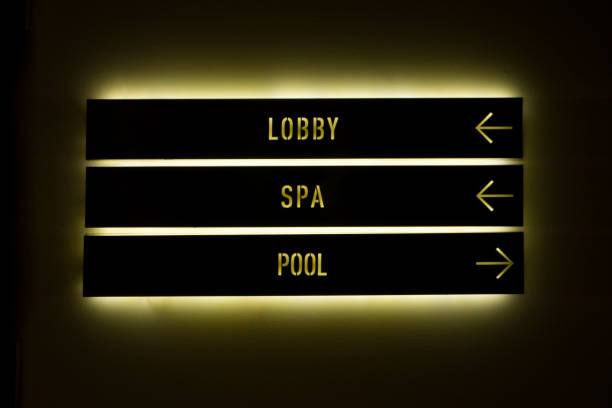
Getting lost in a large hotel can ruin an otherwise great stay. Advanced digital wayfinding systems can solve this problem easily.

Think of these interactive maps as virtual guides, helping visitors navigate big hotel complexes. Guests simply type in their destination, and an optimized route pops up on the screen in seconds.

Whether they need to find elevators, restaurants, spas, or pools, the route changes dynamically based on current conditions, like maintenance closures. This makes getting around much easier and boosts overall guest satisfaction.

Entertainment Hubs

Modern hotels are now creating exciting leisure spaces with synchronized digital displays. These areas can include cinemas, sports lounges, and game hubs.

Imagine screens showing the latest movies, real-time sports scores, or thrilling gaming visuals.

Multiplayer leaderboards and interactive kiosks make the atmosphere even more fun. This setup ensures guests can relax and enjoy themselves to the fullest. Each visitor gets a unique and vibrant experience, highlighted by neon-lit pathways and colorful sidewalks.

Optimized Advertising Opportunities: Expanding Revenue Streams

Source

Targeted Ads Placement

Digital screens provide great advertising opportunities for hotels. By displaying targeted ads and promotions from nearby businesses, hotels can increase their revenue while offering guests exciting deals that suit their needs.

Screens placed in high-traffic areas catch the attention of guests and encourage impulse decisions. This not only drives engagement but also helps build strong partnerships with local businesses.

Upselling Services & Products

Some hotel services often go unnoticed. Digital signage can change that by showcasing spa packages, excursions, dining experiences, wine tastings, and luxury suites with eye-catching animations.

Placing these displays in strategic locations like lobbies or shop fronts can prompt guests to indulge more. Revealing exclusive offers in a visually appealing way surprises and delights guests, making their stay even more enjoyable.

Wrapping Up

Digital signage provides everything from real-time updates and engaging content to custom welcome messages and smart service recommendations, making stays more enjoyable for hotel guests.

It also helps hotels operate more smoothly, cut costs, coordinate staff better, and create new revenue streams through targeted ads. Interactive features like wayfinding systems and entertainment hubs add extra fun and convenience for guests, making them want to come back.

As the hospitality industry keeps evolving, digital signage remains a key tool for delighting guests and boosting business success.

Cleaning Services As The Backbone Of Hospitality And Business Success

August 7, 2023/in Hospitality/by News Desk

Hospitality and business are two sectors that may seem distinct but find common ground in one critical aspect—cleanliness. Maintaining clean and sanitary environments is a pivotal component of their success. This article looks at the role of cleaning services as the backbone of hospitality and business success.

Team of janitors with cleaning supplies in office

Cleaning Services Boost Business Success

A tidy office environment can serve as a powerful motivation for employees. Cluttered spaces reduce productivity and team member morale, often leading to less efficient work. Contrastingly, clean workplaces foster a positive atmosphere, encouraging creativity and boosting team member productivity.

A similar story holds for businesses in Texas. Commercial establishments there have been thriving due to the support from companies like Fort Worth janitorial service. Like an unseen hero, they work tirelessly behind the scenes to ensure every nook and corner gleam, creating the perfect work atmosphere for businesses to flourish.

The Essential Role In The Hospitality Industry

In the hospitality industry, first impressions are critical. They can determine whether guests will return or recommend the establishment to others. Therefore, clean and well-maintained facilities ensure a great first impression.

Imagine entering a hotel lobby and noticing dust-covered furniture or an unclean floor. Such conditions will likely tarnish the establishment’s image and discourage you from visiting again. In contrast, a sparkling lobby and clean rooms reflect an establishment’s attention to detail, providing a welcoming experience for every guest.

The hospitality industry also emphasises health and safety. Regular cleaning and sanitation significantly contribute to preventing the spread of harmful bacteria and viruses. It’s no surprise that cleanliness is a cornerstone of hospitality, as guests appreciate a comfortable, safe, and hygienic environment.

Cleaning Services: The Binding Factor

Cleaning services essentially form a binding factor between businesses and hospitality. Their role is pivotal, not only in maintaining clean environments but also in contributing to overall success. From office buildings in the city’s heart to lavish hotels on the outskirts, they ensure a hygienic and attractive setting, encouraging productivity and satisfaction.

Furthermore, these services create a positive image for businesses and hospitality establishments. Clean and well-maintained facilities reflect attention to detail and professionalism, key elements in attracting and retaining clients and guests.

Impact On Employee Morale And Productivity

A clean working environment can serve as a significant motivation for employees. Cluttered spaces often lead to decreased productivity and, consequently, low morale. On the other hand, a tidy workspace can boost creativity and improve overall job satisfaction.

In bustling cities, establishments have recognised the significant benefits of a tidy work environment. One secret behind the thriving businesses here is the exceptional work done by reliable janitorial services. These behind-the-scenes champions ensure a clutter-free environment, effectively setting the stage for improved performance and business growth.

Attraction And Retention Of Clients

The aesthetic appeal of a business environment can directly influence its ability to attract and retain clients. A clean, welcoming atmosphere sends a positive message to clients, assuring them of the business’s commitment to delivering quality service.

In the business world, appearances matter a great deal. Cleanliness becomes a critical aspect of a company’s branding and identity. In this respect, janitorial services help uphold the company’s image, promoting client satisfaction and loyalty.

Health And Safety Concerns

The role of a cleaning service extends beyond aesthetics. With rising health and safety concerns, businesses and hospitality establishments need to ensure that their facilities are clean and sanitary. Regular cleaning and disinfection procedures help curb the spread of germs, providing a safe environment for employees and guests.

In this light, cleaning services have taken on a more significant role, becoming vital in safeguarding public health. They have become essential frontline workers, ensuring that businesses and hospitality establishments meet the highest standards of cleanliness and hygiene.

Environmental Sustainability

Modern cleaning services also contribute to environmental sustainability. Using eco-friendly cleaning products and techniques, they help businesses and hospitality establishments reduce their environmental footprint.

In an era where consumers increasingly value sustainability, such practices contribute to a cleaner environment and enhance the reputation of businesses and hospitality establishments. They show that these entities are committed to responsible practices, creating a positive image in the minds of customers and guests.

Role In Operational Efficiency

The role of cleaning services is not limited to cleaning tasks alone. They also play a vital part in maintaining the overall operational efficiency of businesses and hospitality establishments. Ensuring that all areas are clean and well-maintained, they help prevent potential problems, such as equipment breakdowns or pest infestations, that could disrupt operations and result in costly repairs or replacements.

Conclusion

The contribution of cleaning services to the hospitality and business sectors cannot be overstated. They form the backbone of these industries, driving success through clean, hygienic, and attractive environments. So, the next time you find yourself in a spotless office or hotel, remember the unseen heroes who made it possible.

How Can Bars Develop Brand Identity And Customer Loyalty

October 2, 2022/in Hospitality/by News Desk

In order to be successful, businesses need to create a strong brand identity that their customers can connect with. This means developing a unique and recognisable logo, using consistent colours and fonts, and creating a slogan or tagline that encapsulates the essence of the brand. It also means delivering a consistent customer experience across all channels, from the website to the storefront to social media.

If businesses can nail down their branding and create a loyal customer base, they’ll be in a much better position to succeed in today’s competitive marketplace.

Here are a few tips on how bars can develop brand identity and customer loyalty:

1. Have a strong visual identity

As we mentioned, one of the most important aspects of branding is having a strong visual identity. This means developing a unique logo and using consistent colours and fonts across all channels. Your visual identity should be instantly recognisable and should convey the essence of your brand.

Furthermore, your visual identity should be carried through to your physical space. Your bar’s décor should reflect your brand and create a cohesive experience for customers. For example, if your brand is all about luxury and sophistication, your bar should reflect that with luxurious finishes and a sophisticated design.

2. Loyalty programs

Loyalty programs are a great way to encourage customers to keep coming back. Bars can offer loyalty cards that give discounts or free drinks after a certain number of visits. This is a great way to show customers that you appreciate their business and want them to keep coming back. A loyalty program can be a powerful marketing tool and can help to build brand identity and customer loyalty. Plus, it’s a great way to collect customer data that can be used to improve the customer experience.

3. Social media

Social media is a powerful tool that can be used to reach out to customers and build relationships. Bars can use social media to engage with customers, promote special offers, and build brand awareness. Furthermore, social media is a great way to collect customer feedback and use it to improve the business.

Additionally, social media can be used to create a sense of community around the bar. This is especially important for bars that are trying to build a local following. By engaging with customers on social media, bars can create a sense of community and loyalty among their customers.

4. Use customer data

In today’s digital world, businesses have access to a wealth of customer data. This data can be used to understand customer behaviour and preferences, and to improve the customer experience. Bars can use customer data to personalise the experience, offer targeted promotions, and improve operations.

For example, if you know that a customer always orders a certain type of drink, you can make sure that their favourite drink is always available. Or, if you know that a customer prefers to sit at the bar, you can make sure that they always have a seat. By using customer data, bars can create a more personalised and tailored experience for their customers.

5. Deliver a great experience

Ultimately, customers will only be loyal to a bar if they have a great experience. This means offering quality products, friendly service, and a clean and inviting space. Bars that can deliver a great experience will be more likely to build brand identity and customer loyalty.

Keep in mind that the customer experience goes beyond the actual product or service. It also includes things like customer service, ambiance, and convenience. For example, a bar that is always clean and well-stocked is likely to create a better experience than a bar that is dirty and run-down.

6. Be consistent

Consistency is key when it comes to branding. This means using consistent colours, fonts, and messaging across all channels. It also means delivering the same great experience every time a customer visits the bar. Customers should know what to expect when they visit your bar, and they should be able to easily recognise your brand.

Additionally, it’s important to be consistent with your pricing. Customers should know what to expect in terms of prices, and they should not be surprised by sudden price increases. By being consistent, bars can create a sense of trust and loyalty among their customers.

Bars that want to build brand identity and customer loyalty need to focus on delivering a great experience. This means offering quality products, friendly service, and a clean and inviting space. By focusing on the customer experience, bars can create a sense of trust and loyalty among their customers. Additionally, it’s important to be consistent with your branding and pricing. By being consistent, bars can create a strong identity for their business and make it easier for customers to find them.

Running a Hospitality Business? Here’s How to Keep It Profitable

March 21, 2022/in Hospitality/by News Desk

The hospitality industry is a very competitive one. Many businesses compete for the same customers, so it’s crucial to find ways to make your business stand out from the crowd. One way to do this is to focus on profitability.

Many companies in the hospitality industry focus on simply getting by. Still, if you want to be successful in the long term, you need to focus on making your business as profitable as possible. But how can you achieve this when considering so many different factors?

Here are a few tips to help you keep your hospitality business profitable.

Offer Experiences and Not Just Service

When most people think of the hospitality industry, they think of restaurants. And while restaurants are certainly a big part of the industry, many other types of businesses fall under its umbrella. For example, you could offer experience-based services such as tours or transportation. This can be a great way to differentiate yourself from your competitors and attract more customers.

Part of the experience is also how safe you make your customers feel. All hotels have some horror stories with wild guests who caused a lot of damage and chaos. Typically, this can also affect the experience of your other guests. Sometimes, it can be more effective to find ways of managing unruly guests from the property as fast and seamlessly as possible, which is something security guards can help with. Did you know that the best private security company names on the market are trained in managing guest safety and discreetly arranging patrols and risky behavior management?

Charge What You’re Worth

Another key to profitability is to charge what you’re worth. This doesn’t mean that you should overcharge your customers, but it does mean that you need to make sure you’re setting a fair price for the services you offer. How you brand your business has a significant influence on how much you can charge for your products and services. If you undercut your competitors, you may struggle to make a profit.

Focus on Quality over Quantity

It’s also important to focus on quality over quantity. This means that you should take the time to make sure every customer is satisfied with their experience. If you focus on creating a few high-quality products or services, you’ll be more successful in the long run than if you try to offer a lot of mediocre services.

Establish an Online Presence

One of the best ways to make your business more profitable is by establishing an online presence. This doesn’t mean that you have to have a website or even a social media account, but it does mean that you should find ways to market your business online. Through search engine optimisation, paid to advertise, or content marketing, you can do this.

Keep Your Business Pristine With a Hospitality and Catering Cleaning Service

Keeping it clean is essential no matter what type of business you run in the hospitality industry. After all, customers will be more likely to come back if they have a positive experience the first time around. But cleaning your business can be a lot of work, especially if you don’t have the staff. That’s where a hospitality and catering cleaning service can come in handy. They can help you keep your business clean to focus on running it profitably. Additionally, a good hospitality cleaning company can help you with various tasks, such as floor care, window cleaning, and general deep cleaning. This can be a great way to free up your time to focus on more important things, like making money.

Embrace Technology

Technology has had a massive impact on the hospitality industry, and it’s only going to continue to grow in importance. If you want your business to be successful, you need to embrace technology and find ways to use it to your advantage. This could mean using online tools such as reservation systems or online menus, or digital marketing strategies to reach a wider audience. Whatever you do, make sure you’re keeping up with the latest trends in technology to stay ahead of your competitors.

Be Consistent

One of the biggest keys to profitability is consistency. This means that you need to be consistent in the quality of your products and services, how you run your business, and how you treat your customers. If you can keep things consistent, you’ll be more likely to attract and retain customers over the long term.

Value Your Team

Your team is one of your most valuable assets, so it’s essential to treat them well. This means valuing their input, listening to their feedback, and providing them with the resources they need to be successful. It would be best if you made your employees feel valued and appreciated. It will be much easier to run a profitable business when you have a strong team.

Running a successful business in the hospitality industry comes with many challenges. However, you can overcome them and make your business profitable by offering experiences to your clients and not just ordinary services. You should also set prices that reflect the worth of your business and focus on providing quality.

Growing your online presence and working with reliable hospitality and catering cleaning services is also a good way to maximise profitability. Additionally, you need to embrace profitability and value your staff if you want to see your hospitality business turn into a profitable venture.

Page 1 of 212

Latest News

  • How a Registered Agent Service Handles State Filings for Clients
  • The Manufacturing Technology Leaders: 10 Companies to Know
  • Emily Au Named Litigation Expert of the Year in Hong Kong 2026
  • Charles Waweru Gatonye Named International Dispute Resolution Lawyer of the Year in Kenya 2026
  • Dr. Anton G. Maurer Named Arbitration Expert of the Year in Germany 2026

Categories

Quick Links

  • Home
  • About
  • Expertise
  • Countries
  • News
  • Contact

About Advisory Excellence

Advisory Excellence profiles the best advisers around the globe, enabling users to quickly and easily find the expert they need in their location. All applicants are subjected to a stringent vetting process prior to acceptance.

Join Advisory Excellence

If you would like to apply for membership, simply fill out your details on our application form. If you have not heard back from us within 2 weeks of submitting the application, we are afraid that means your application has not been successful.

News Feed

  • How a Registered Agent Service Handles State Filings for Clients
  • The Manufacturing Technology Leaders: 10 Companies to Know
  • Emily Au Named Litigation Expert of the Year in Hong Kong 2026
© Advisory Excellence.
  • Link to LinkedIn
  • Link to Pinterest
  • Link to Youtube
  • Link to Instagram
  • Link to X
  • Link to Facebook
  • Link to Reddit
  • Link to Soundcloud
  • Link to Vk
Scroll to top Scroll to top Scroll to top